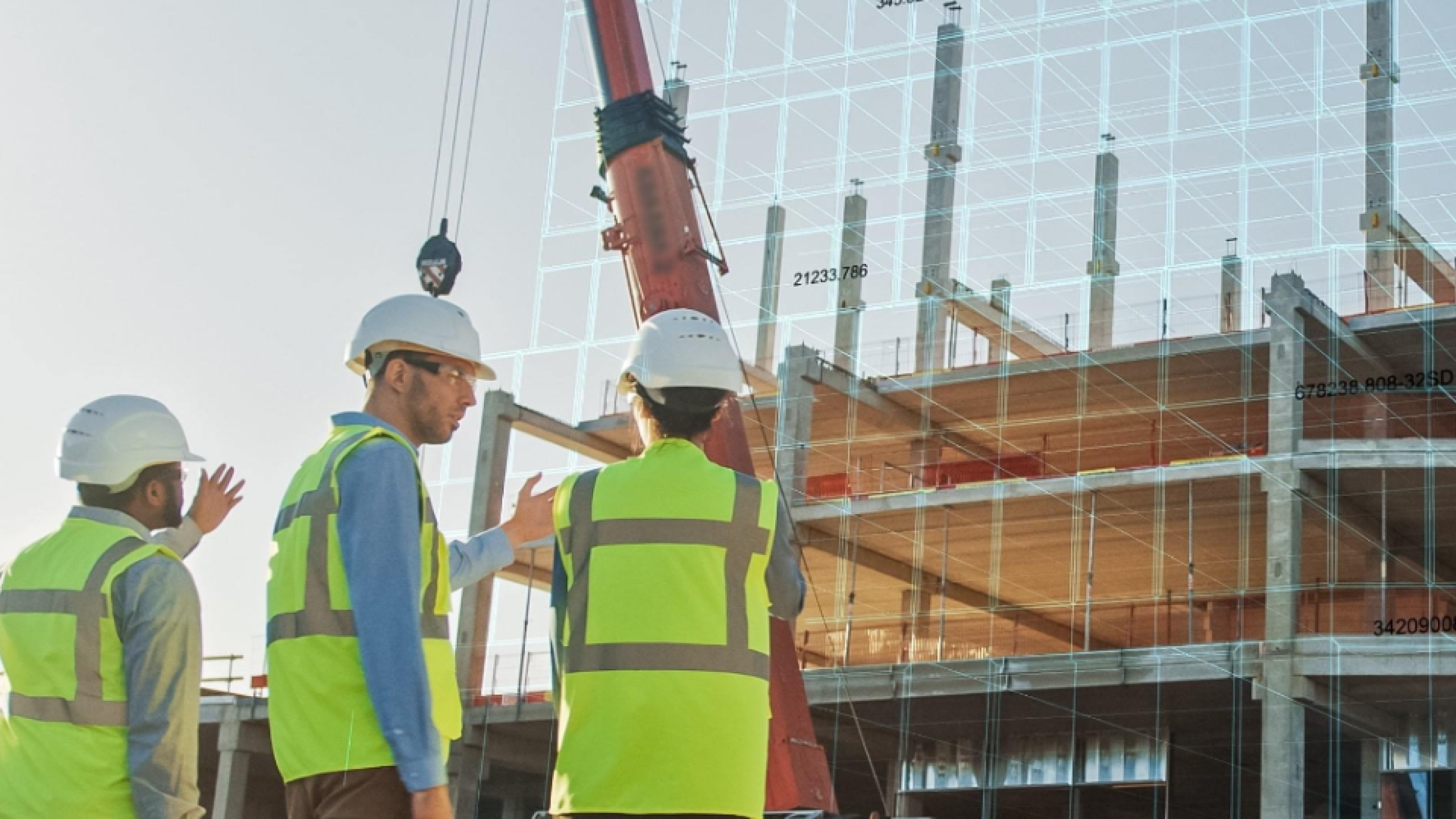
New technologies to improve health and safety performance
Discovering Safety joins forces with Safetytech Accelerator to build a Smarter Regulation Sandbox.
This page is approximately a 2 minute read
This page was published on
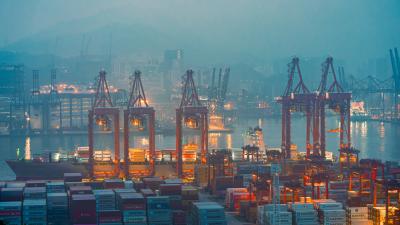
The Paper highlights the unprecedented impact climate change is having on marine infrastructure. 86% of ports face exposure to more than three natural hazards, and failure to successfully adapt could see the yearly cost of climate-related port related disruptions rise to $25–30 billion by 2050.
It is argued that, by integrating nature and people-positive strategies, ports can unlock $54 billion in annual business opportunities by 2030, whist differentiating themselves in a competitive market, attracting green finance, building resilience and ensuring long term competitiveness in a rapidly changing climate.
The Paper is the first output from Accelerating Critical Transformations for Ports (ACT Ports), a workstream under the Forum’s Accelerating Critical Transformations for the Ocean (ACT Ocean) and the Transitioning Industrial Clusters (TIC) initiatives, supported by Lloyd’s Register Foundation.
A new Briefing Paper published by the World Economic Forum and Lloyd’s Register Foundation
Discovering Safety joins forces with Safetytech Accelerator to build a Smarter Regulation Sandbox.
Discovering Safety and Safetytech Accelerator have been awarded Government funding for new project ‘Enabling Innovation in Industrial SafetyTECH’.
Exclusively from ‘SAFE: A collection of works exploring a safer world’, this lamp translates real time data into a ‘digital twin’.