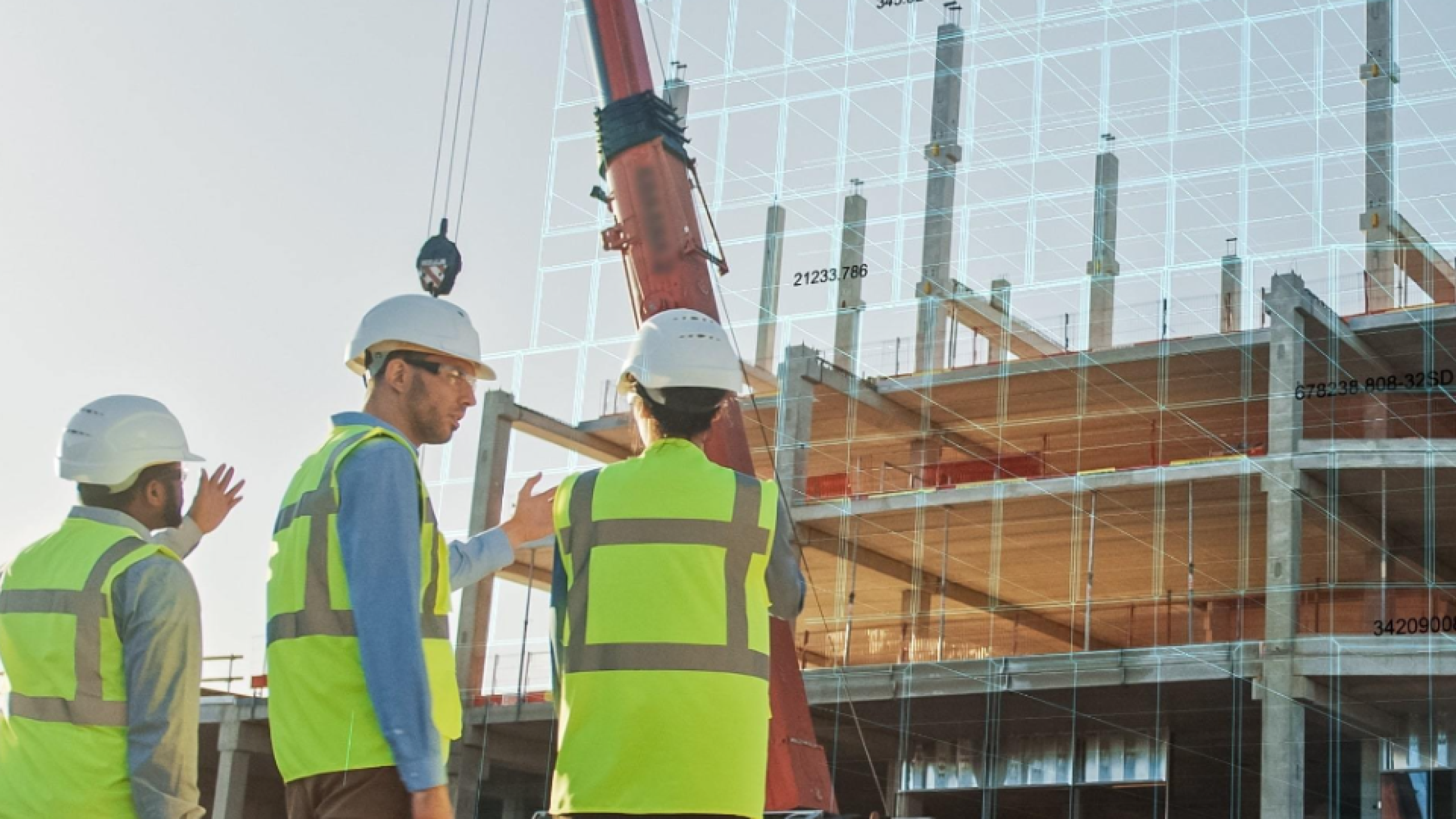
Kenya is building at scale. Across Nairobi and beyond, new homes, roads and infrastructure are reshaping the country’s towns and cities. On construction sites, that growth is visible every day: in scaffolding, machinery, concrete, steel, and the people whose skill turns plans into places where others will live and work.
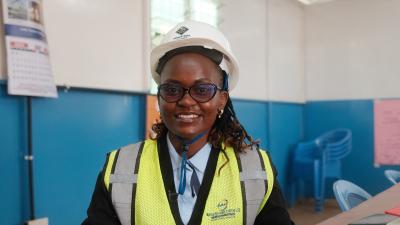
For Catherine Kimani, a quantity surveyor, the pace of development brings responsibility.
“Kenya is developing very quickly,” she says. “We have to make sure the work itself is done safely.”
Safety improvements are urgent. Construction remains one of Kenya’s most dangerous industries. In 2024/25, 69 fatal construction accidents were recorded in Kenya, and 46% of construction practitioners reported witnessing an accident on site.1 Behind each figure is a worker, a family and a moment where prevention did not happen in time.
HSC consultant Fatuma Kajuju sees the importance of safety in her day-to-day work. She is currently working on the proposed development of Next Amani apartments, where health, safety and environmental practices are central to the job.
“Health and safety has been critical due to the fatalities in the previous years,” she says.
For Engineer Margaret Ogai, outgoing Registrar and CEO of the Engineers Board of Kenya (EBK), the issue is not a lack of awareness alone. Kenya has regulations and professional standards, but they need to be implemented consistently and enforced properly across sites, institutions and the wider construction value chain.
“I think the key issue is around implementing and enforcing the regulations,” she says. “Sometimes we have compromises which lead to unsafe engineering practices resulting in accidents on site and, unfortunately, at times loss of life.”
EBK is a statutory regulatory body established under the Engineers Act (2011). It is responsible for the registration of engineers and firms, regulation of engineering professional services, setting of standards and development of the general practice of engineering in Kenya to protect the public.
Margaret has spent three decades in infrastructure development and engineering regulation.
Under her leadership, EBK strengthened professional standards and built a culture of prevention through a training programme for engineering students, professionals and construction workers in collaboration with other regulators in the construction sector.
The programme reflects a simple premise: prevention begins long before someone steps onto a dangerous site. It starts in lecture halls, in training workshops, in professional development, and in the standards that shape how engineers think about risk from the beginning of their careers.
Lloyd’s Register Foundation is supporting EBK to develop curricula, training courses and monitoring tools that help engineers, practitioners and construction workers identify and address risks on sites across Kenya. The partnership is designed to improve safety skills across the industry and support a more consistent and effective safety culture, from universities through to construction sites.
For the Foundation, the work sits within a broader focus on skilled people for safer engineering. As Kenya continues to urbanise, the demand for engineering capacity is growing. The challenge is to build safely, sustainably and with the right skills in place.
Margaret points to certification, regulation, policy and monitoring tools as part of the same effort. Each element supports the others: education builds knowledge, certification reinforces professional expectations, regulation sets the standard, and monitoring helps make sure safety is taken seriously in practice.
For Fatuma, EBK has played “a very critical role” in making sure health and safety matters are treated as central to the industry. That cultural shift matters in a sector where unsafe practice can become normalised if deadlines, budgets or external pressure take priority over people’s lives.
The programme also has a generational dimension. For young professionals like Catherine, safety is becoming part of how engineering is understood from the start. That matters because habits formed early can shape careers, workplaces and future leadership.
“Margaret’s leadership and the Board’s programme are helping young professionals like me enter the industry with a strong focus on safety and responsibility,” Catherine says.
Her words also point to another important part of the story. Engineering and construction in Kenya, as in many countries, have traditionally been male-dominated; just 3% of workers in the country’s construction industry are women.2 By strengthening pathways into the profession and placing safety, responsibility and leadership at the centre of training, EBK’s work can help more women see engineering as a space where they belong.
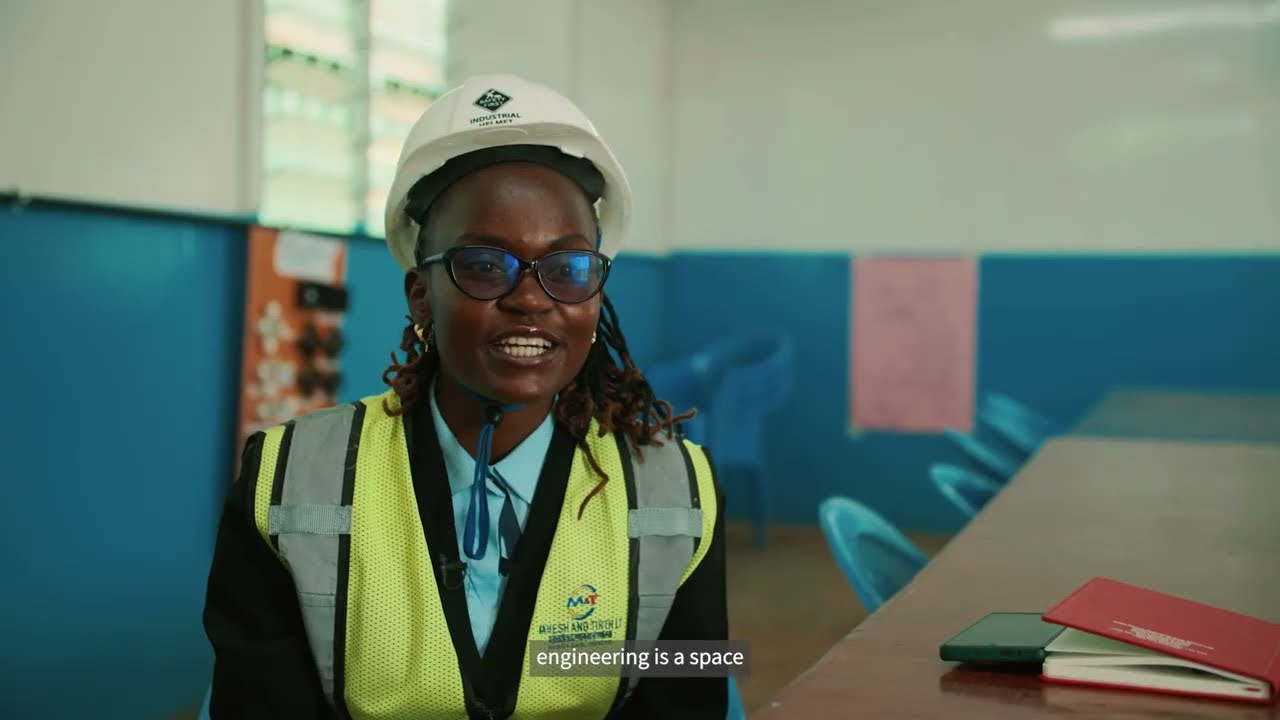
“It’s also encouraging more women to see that engineering is a space where they can contribute and lead,” Catherine says.
That matters for safety, too. A stronger engineering workforce draws on wider talent, creates room for different perspectives and removes barriers for people who have historically been underrepresented. Bringing more women into engineering expands the profession’s capacity to respond to Kenya’s changing infrastructure needs.
For Catherine’s generation, the goal is to make safety part of engineering identity, not a separate box to tick after designs are drawn or construction begins.
“For my generation, safety is becoming part of how we think about engineering from the very beginning,” she says. “If we build with care and responsibility, we can create safer construction sites, prevent accidents and fatalities, and unlock a better future for Kenya.”
The wider ambition is not limited to one workplace or one cohort of engineers. By improving curricula, strengthening professional development and creating tools that can be used across the sector, EBK is helping to build a model that could influence construction safety more broadly in Kenya and across East Africa.
Margaret’s leadership shows what institutional change can look like when it is grounded in public safety. Fatuma’s experience shows how important health and safety is on active sites. Catherine’s perspective shows why the next generation matters, and why more women entering the field can help shape a profession that is safer, more inclusive and more accountable.
In a country building for the future, training the people who design, inspect and manage structures will lead to safer construction.