New technologies to improve health and safety performance
Discovering Safety joins forces with Safetytech Accelerator to build a Smarter Regulation Sandbox.
This page is approximately a 4 minute read
This page was published on
From construction safety to maritime operations and climate adaptation, safety challenges are becoming more complex, interconnected, and high-risk. Addressing these challenges requires more than technical competence alone, it demands engineers who understand safety as culture, responsibility, systems thinking, and professional judgement.
With support from Lloyd’s Register Foundation, whose mission is to engineer a safer world, the national South African Innovative Engineering Curriculum (IEC) initiative in partnership with University College London (UCL) is entering a transformative new phase. This Foundation supported expansion embeds safety as a foundational orientation within engineering education, not as regulatory compliance, but as an integrated professional competence shaping how engineers think, design, lead, and act.
Through this partnership, IEC will scale a systemic model of curriculum transformation that integrates safety and sustainability across disciplines, institutions, and regions. The next phase also includes two flagship implementation areas, Sustainable Infrastructure & Safety and Maritime Sustainability & Safety, while extending collaboration nationally and across African partner institutions to strengthen workforce readiness, accreditation alignment, and industry engagement.
Building on five years of systemic curriculum innovation across South Africa, IEC provides the tested platform, partnerships, and academic development infrastructure necessary to translate Lloyd’s Register Foundation’s safety mission into sustainable educational transformation at scale.
Since its inception, IEC has worked in partnership with all Engineering Schools in South Africa, alongside the Engineering Council of South Africa (ECSA), industry partners, and academic development leaders, to reimagine how engineers are educated in a rapidly changing world.
Rather than adding sustainability and safety as standalone topics, IEC has focused on embedding these as inherent orientations within engineering practice. Through collaborative curriculum design, academic development programmes, and accreditation-aligned implementation, three universities are already rolling out redesigned programmes that integrate sustainability, systems thinking, professional responsibility, and safety leadership as core elements of engineering identity.
This next phase enables the scaling of these tested approaches across additional institutions, leveraging a national consortium that has been intentionally built over the past five years. By working collectively rather than institutionally in isolation, IEC strengthens alignment across programmes, supports shared learning, and creates a coordinated platform for long-term transformation.
Over the past three years, IEC has also cultivated a growing African consortium of university partners and institutional champions. Through preliminary research, leadership dialogues, and structured engagements, this network has begun mapping contextual realities across institutions in East, West, and Southern Africa.
The current expansion phase will deepen this regional engagement by:
The aim is not to export a model, but to co-develop contextually grounded approaches that respond to local needs while strengthening continental capacity in engineering education for safety and sustainability.
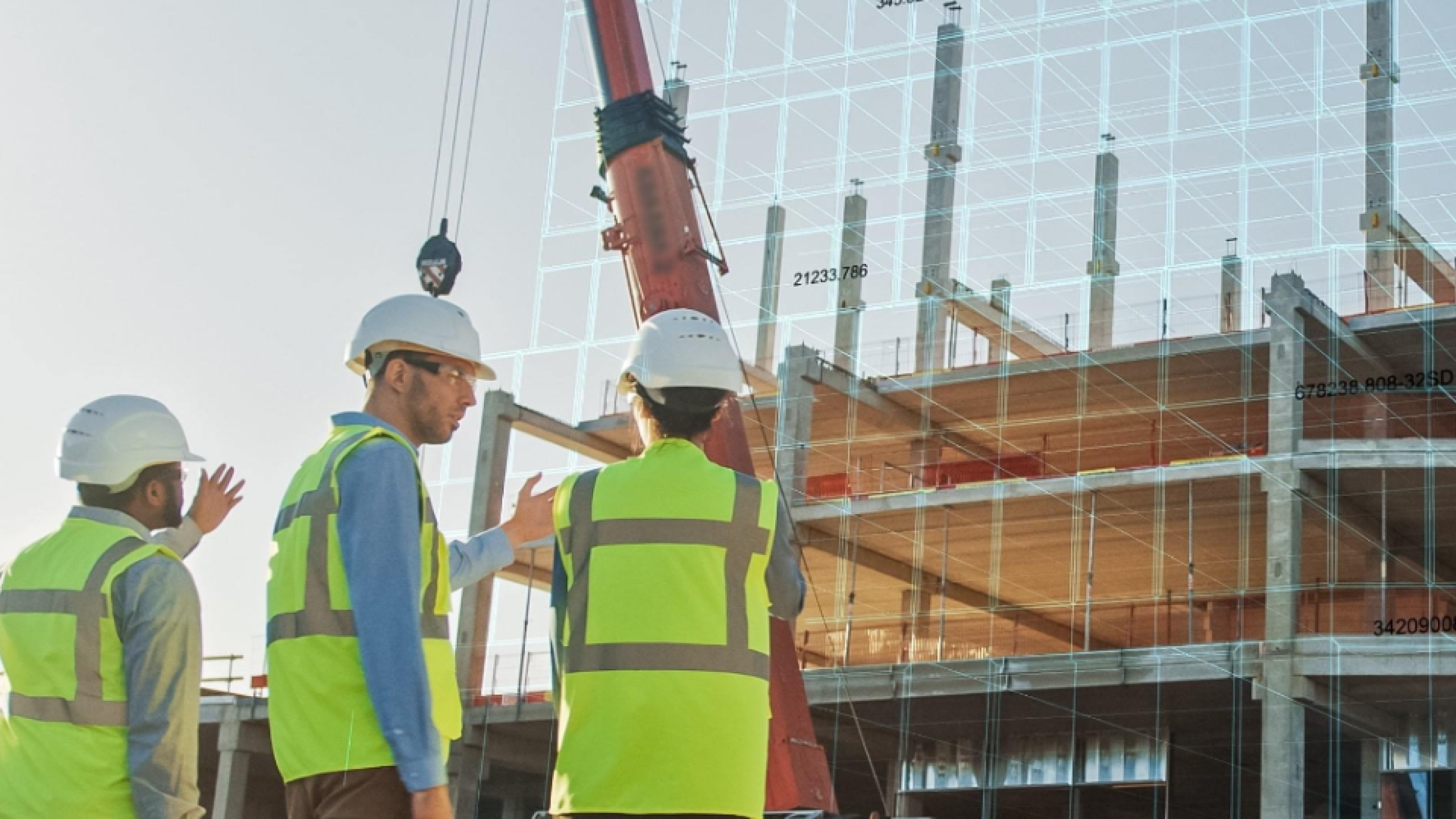
The first flagship area extends IEC principles into the broader Built Environment sector, addressing urgent challenges in infrastructure resilience, urban safety, climate adaptation, and responsible construction.
Working across Engineering and Built Environment programmes, the initiative will conduct structured gap-mapping and best-practice reviews to embed sustainable infrastructure and safety leadership into curricula. This includes integrating risk-informed design, lifecycle thinking, regulatory awareness, and systems-based decision-making into core programme outcomes.
By aligning curriculum reform with industry engagement and accreditation processes, this flagship aims to prepare graduates who are not only technically competent, but equipped to lead safe and sustainable infrastructure development across Africa.
The second flagship focuses on maritime education and workforce development, anchored at the Cape Peninsula University of Technology’s Maritime Survival Centre.
As the maritime sector undergoes rapid transformation due to decarbonisation, digitalisation, and new fuel systems, safety risks and training gaps are increasing globally. South Africa occupies a strategic position on the continent, yet capacity constraints remain in simulation-based training, certification pathways, and advanced safety leadership.
This initiative will expand survival training capacity, integrate simulation-based safety education, and strengthen partnerships with industry and regional institutions. Students will gain access to internationally aligned safety certifications, while longer-term plans include the development of postgraduate pathways in maritime safety and sustainability.
The Survival Centre will serve as both a national training asset and a regional hub, supporting broader African participation and collaboration in maritime workforce development.
What sets this initiative apart is its ecosystem design. It integrates:
By connecting curriculum transformation, professional accreditation, academic development, and sector-specific innovation, IEC moves beyond isolated pilot projects toward systemic, scalable change.
As the initiative expands nationally and regionally, it seeks to position Africa not only as a participant in global safety and sustainability conversations, but as a contributor of contextually grounded, future-ready engineering solutions.
For more information or partnership enquiries, please contact Prof Lelanie Smith: Lelanie.Smith@up.ac.za
Discovering Safety joins forces with Safetytech Accelerator to build a Smarter Regulation Sandbox.
A major step forward for ocean sustainability will be launched at the United Nations Ocean Conference 2025: a global network of Ocean Centres designed to put safety at the heart of the blue economy transition in emerging ocean economies.
Discovering Safety and Safetytech Accelerator have been awarded Government funding for new project ‘Enabling Innovation in Industrial SafetyTECH’.