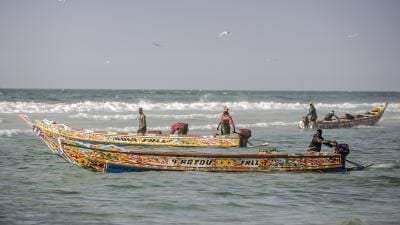
The role of specialised maritime lawyers is mirrored in Nigeria, where Ahmad Wanka — an IMLI alumnus from 2012 and now General Manager of Regulatory Services for the Nigerian Ports Authority — has helped reframe port governance. More than 90% of good traded in Nigeria pass ports. Ahmed’s work has centred on updating outdated policies and moving the focus from revenue collection alone to safety, trade facilitation and regulatory clarity.
Of IMLI’s impact, he said: “What you need is deep and effective legal knowledge to deal with these issues. It was at IMLI that I was able to gain the knowledge and skill of the common legal tradition and the ability to deal with issues as they come.”
Tim Slingsby, Director of Skills and Education at Lloyd's Register Foundation and IMLI Governing Board member, said: “Maritime industries are traditionally known to be some of the most hazardous on the planet. Standing as they do on the front lines of climate change, seafarers and fishing professional bear the brunt of harsher climates and rising seas, often without the protections needed to keep them safe. Graduating from IMLI has empowered Ashley Toywa and Ahmad Wanka to use legal channels to better safeguard those whose work is relied on by thousands, if not millions, and improve standards for this and the next generations of maritime workers.”
Both cases highlight the same lesson: building local legal expertise in emerging maritime economies results in practical safety improvements across the maritime system. For legislators, regulators and advisers, the work is technical, incremental and collaborative, but its outcomes are immediate with fewer lives lost, safer vessels, and ports better aligned with the demands of contemporary trade and environmental stewardship.