The foundation of safe and successful Nature-positive Engineering lies in understanding the existing ecosystem. Before any intervention, engineers must conduct comprehensive baseline assessments to map out natural processes, interactions, and functions. This deep understanding ensures that engineered solutions enhance rather than disrupt nature's existing protective mechanisms. The engineer's role in Nature-positive Engineering is to enhance nature's inherent protective capabilities while ensuring consistent, measurable performance - delivering protection that stakeholders can trust and ecosystems can thrive within.
When introducing engineered elements, the goal is to amplify and support natural processes. Think of it as strategic enhancement rather than replacement - each addition should demonstrably improve the system's overall performance while preserving its fundamental ecological functions. This careful balance determines not just the type of intervention needed, but also its appropriate scale.
Scaling up Nature-positive Engineering requires robust evidence of effectiveness. Pilot projects serve as crucial testing grounds where engineers can evaluate performance, document outcomes, and refine approaches. Through systematic monitoring and assessment, these pilots generate valuable data that shapes design standards and ensures both ecosystem health and community protection. The monitoring framework extends beyond initial implementation, tracking long-term ecosystem service delivery and system functionality.
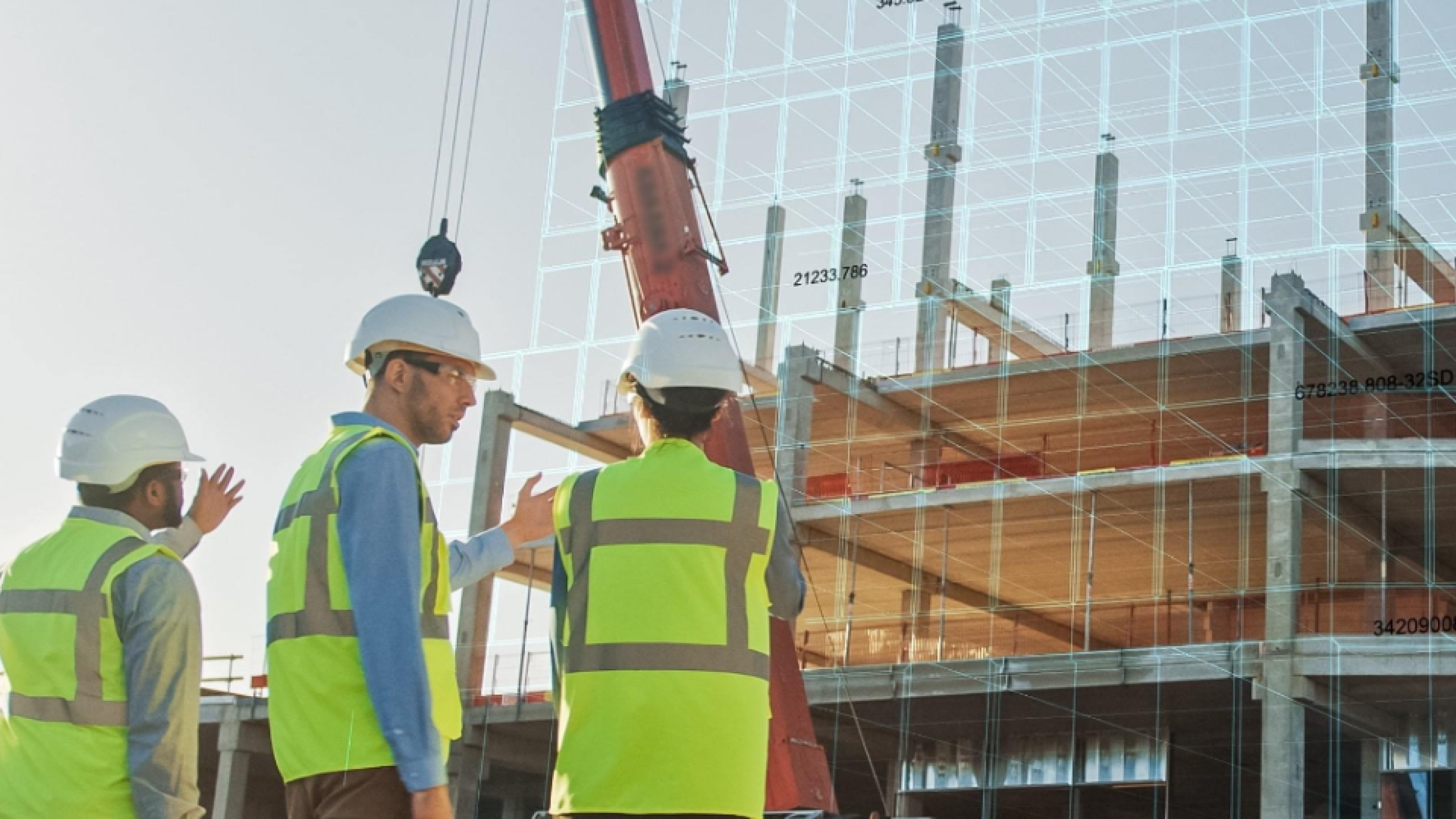
Multidisciplinary teams are the foundation to the successful implementation of nature-based solutions and green grey infrastructure. Their broad expertise in the natural and engineered systems, risk assessment, and safety standards helps overcome implementation barriers by reassuring sceptical stakeholders. Together, there is a joint responsibility in ensuring that nature-positive solutions meet the same rigorous safety standards as conventional approaches, and maximise both protective and environmental benefits.
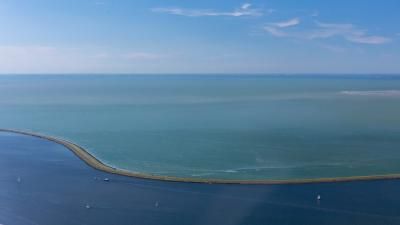
In the Netherlands, Royal HaskoningDHV worked with Rijkswaterstaat (the executive agency of the Dutch Ministry of Infrastructure and Water Management) to reinforce the Houtrib dyke. To improve the natural value of the area, the dyke was reinforced with sand, and mud released during sand extraction was used to construct a nature reserve that supports mussels, snails, insects and fish. The sand extraction pit also functions as a mud trap, improving water quality across the lake. As our climate continues to change, it’s imperative that we find ways to protect the environments we live in, the ecosystems we depend on, and the habitats that support us. At Royal HaskoningDHV, we’ve been using the power of nature to make the world safer and more sustainable for years.