
Luca has a background in Cultural Heritage Studies, oversees engagement projects and maintains a dynamic network of stakeholders, managing inquiries and content for the Heritage Centre website and supporting various events and workshops.
Mapping 100 years of coastal change with community knowledge.
This page is approximately a 3 minute read
This project's duration was 3 years
£212,281.19
For the past 50 years, MOLA has provided independent, professional heritage advice and services across the UK and beyond.
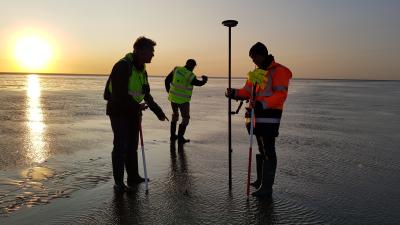
Museum of London Archaeology (MOLA) has launching Coasts in Mind (CIM), a citizen science project focused on uncovering evidence of coastal change in the UK from the 1920s onward.
Following up on the success of the CITiZAN project, MOLA (Museum of London Archaeology) is launching Coasts in Mind (CIM), a citizen science project focused on uncovering evidence of coastal change in the UK from the 1920s onward. CIM aims to create a geospatially map of archival documentation provided by local communities and institutions, including photographs, pictures, and documents. The Heritage Centre's resources will also be investigated.
The collated evidence will form an open-access online repository fit to increase the public understanding of risk in coastal communities and promote discussion around resilience and longer-term safety and sustainability.
CIM will widen communities' recognition of the value and contributions that individual knowledge, memories and experiences, have for resilience and the understanding of change and risk. CIM will empower community members by sharing their stories and experiences, connecting individuals and community groups, and reducing social isolation.
Local heritage, including intangible heritage, will be better identified and its value explained through the voices of local people. This will produce data that can be used by policymakers and community groups to influence future coastal management strategies.
The recording of community information in the CIM Community Archive mapping platform will present new community-held knowledge and records, providing new heritage information and additional contextual information about local heritage and coastal change. CIM’s global connections through the steering group will ensure that data collected is widely interoperable with and complementary to similar datasets elsewhere in the world.
The project is structured around five thematic strands of activities to be implemented over three years, from 2024 to 2027.
Rewriting Women into Maritime makes London International Shipping Week debut.
In this podcast, Lloyd's Register Foundation‘s Louise Sanger and Benjamin Ferrari discuss the catastrophic impact polluting wrecks are having on our oceans.
Leading maritime organisations in call to change perceptions on the historical role of women in shipping and showcase female involvement in the industry.


