
New technologies to improve health and safety performance
Discovering Safety joins forces with Safetytech Accelerator to build a Smarter Regulation Sandbox.
This page is approximately a 2 minute read
This page was published on
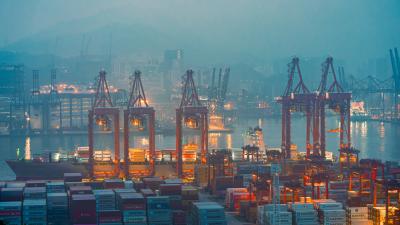
‘Future-Proofing Ports: Nature, Climate and People as Drivers of Competitiveness’, a new Briefing Paper published today by the World Economic Forum and Lloyd’s Register Foundation, shows how ports can mitigate climate, nature and people-related risks, whilst strengthening collaboration for a safer, more prosperous port ecosystem.
The Paper highlights the unprecedented impact climate change is having on marine infrastructure. 86% of ports face exposure to more than three natural hazards, and failure to successfully adapt could see the yearly cost of climate-related port related disruptions rise to $25–30 billion by 2050.
It is argued that, by integrating nature and people-positive strategies, ports can unlock $54 billion in annual business opportunities by 2030, whist differentiating themselves in a competitive market, attracting green finance, building resilience and ensuring long term competitiveness in a rapidly changing climate.
The Paper is the first output from Accelerating Critical Transformations for Ports (ACT Ports), a workstream under the Forum’s Accelerating Critical Transformations for the Ocean (ACT Ocean) and the Transitioning Industrial Clusters (TIC) initiatives, supported by Lloyd’s Register Foundation.
Discovering Safety joins forces with Safetytech Accelerator to build a Smarter Regulation Sandbox.
Discovering Safety and Safetytech Accelerator have been awarded Government funding for new project ‘Enabling Innovation in Industrial SafetyTECH’.
Today, Lloyd's Register Foundation and the World Economic Forum have announced a new partnership focused on accelerating the transition to nature and people positive ports.